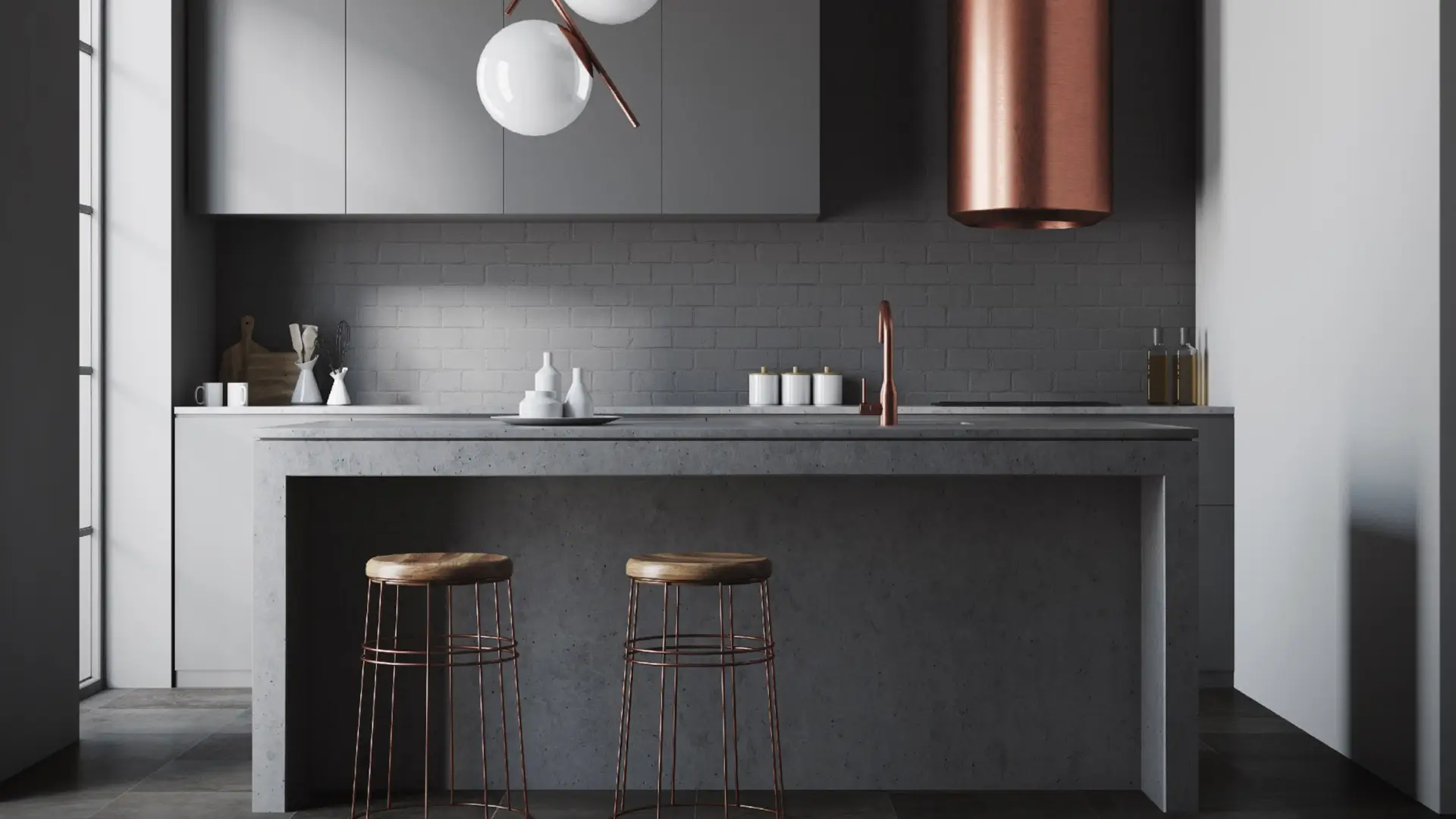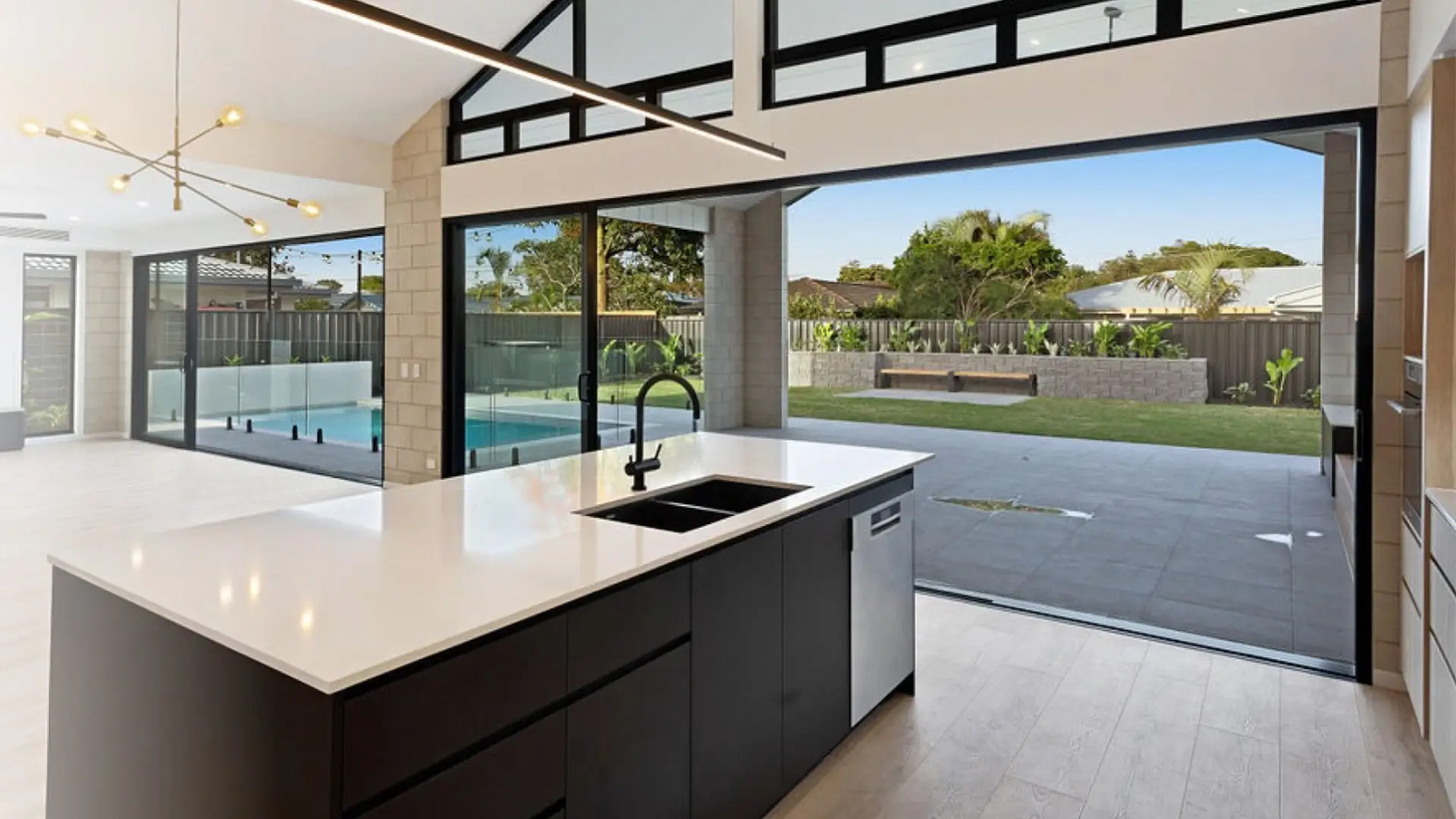
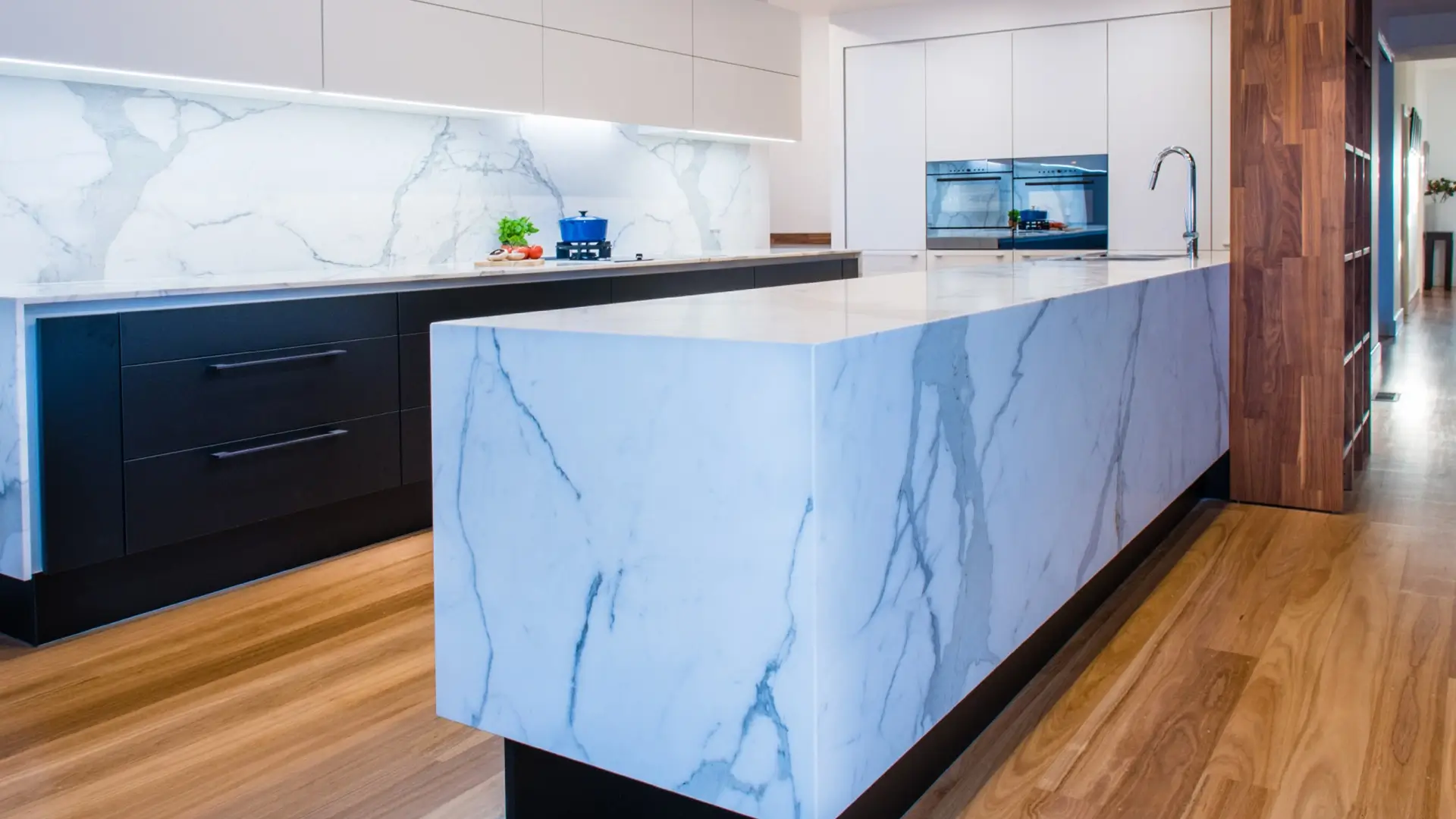
Few materials look like marble. The soft veining and natural depth make it a favourite for statement islands, vanities and splashbacks.
Marble is a natural stone, and it behaves like one. Here is what to know before you choose it.
What marble looks like
Marble ranges from bright whites with fine grey veining to bold patterns, warm creams and dramatic dark stones. Every slab is different, and bookmatching two slabs can create a mirrored pattern across an island or wall.
How marble ages
Marble is softer than granite and reacts to acids. Lemon juice, vinegar, wine and some cleaners can leave dull marks, known as etching, on the surface.
Some homeowners love the lived-in look this gives over time. Others prefer a surface that stays the same. Knowing this before you choose avoids disappointment later.
Caring for marble
- Wipe up spills straight away, especially acidic food and drink.
- Use a chopping board and trivets.
- Clean with warm water and a mild detergent, then rinse and dry.
- Do not use vinegar, lemon or acid-based cleaners on marble.
- Reseal every 6 months in the first year, then once a year.
Full instructions are on our Care and Warranty page.
Where marble works best
- Bathrooms and ensuites: vanity tops see less acidic spills than kitchens.
- Feature islands and splashbacks: where the stone can be the centrepiece.
- Kitchens: a good fit if you are happy for the surface to show its age.
Like the look but want less upkeep?
Marble-look Mineral Stone gives a similar style with a consistent pattern and no sealing. Compare the two in Mineral Stone vs natural stone.
Choosing your marble
As every slab is different, ask to view the material before it is cut if the exact veining matters to you. See more stones on our Inspirations page.
We make and install marble benchtops and vanity tops across the Gold Coast and Brisbane. Request a quote.